Growing up, my parents often brought home trinkets they’d found fallen out of people’s luggage while working the ramp at Chicago’s O’Hare airport – one of these was a palm-sized quartz stone with a red painted elephant and the name Sri Lanka written on it. Traveling the world over the last decade I’d wondered when I’d finally visit this mysterious island nation. And so, following six weeks of backpacking through India this Autumn I flew to Colombo, the capital of Sri Lanka.
I spent 25 days traveling the country in a clockwise route starting in the ancient capital of Anuradhapura, moving down through the mountainous center, and ending in the southern beach towns. Sri Lanka gave me a lot to love, while also leaving me frustrated at times. Interestingly during my stay I did not meet a single other American traveler. This got me thinking that Sri Lanka is possibly one of the furthest places for us to travel to. And with that in mind, I thought I’d make a pros and cons list to help inspire my fellow Americans (and everyone else) to make the journey!
Sri Lanka. December 2024
PROS
1.) Lush Greenery & Landscapes
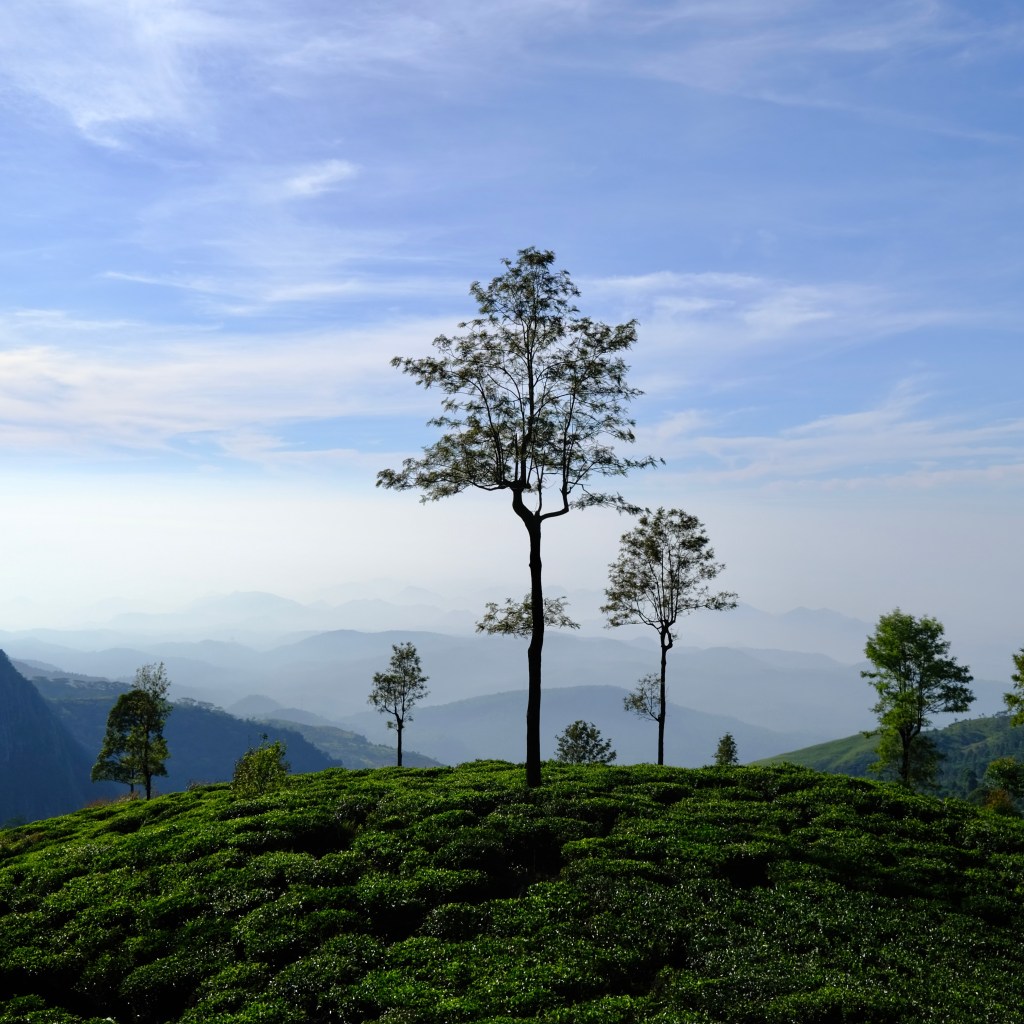
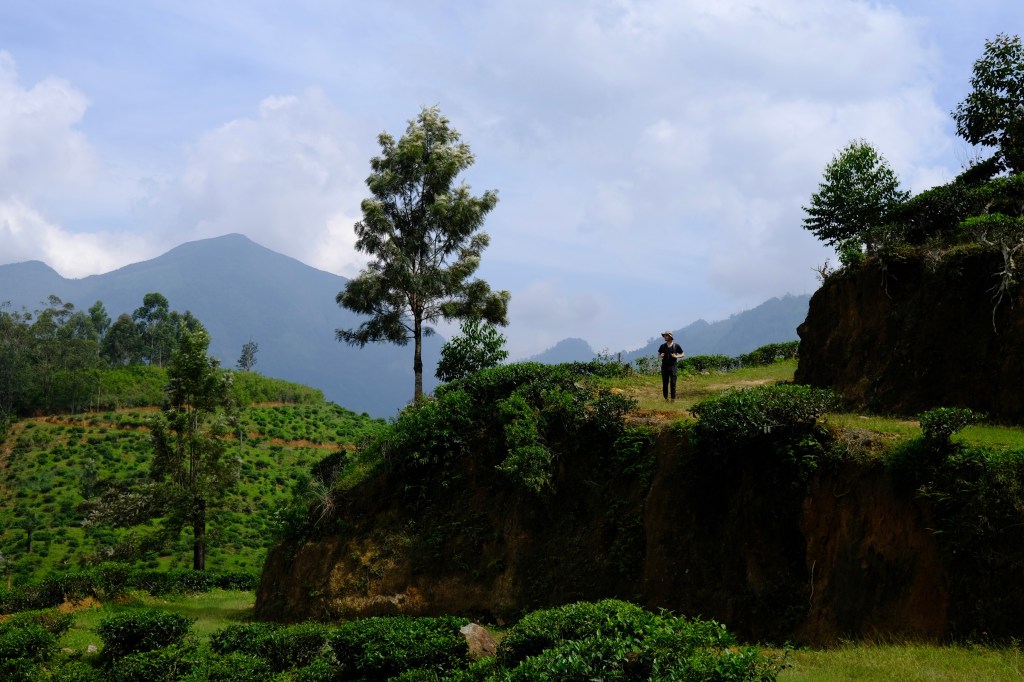
Sri Lanka might be one of the prettiest countries I’ve ever been to – and it is surely one of the most lush. Tourists often take in the landscapes through hotspots such as Ella Rock, Sigiriya, and Adam’s Peak. Animal lovers have quite a number of options to enjoy the landscape via a safari, however I didn’t end up doing one. I found the most enjoyable and affordable way to immerse myself in Sri Lanka’s beauty was to hike segments of the Pekoe Trail. This still somewhat unknown circuit consists of 22 sections that connect multiple cities and villages in the mountainous center of Sri Lanka. Here you’re not likely to encounter any other tourists whilst you navigate endless tea fields and winding hills. Here I relished the opportunity to disconnect from the otherwise noisy and touristy towns.
Sri Lanka. December 2024
2.) Rice and Curry / Tea Culture
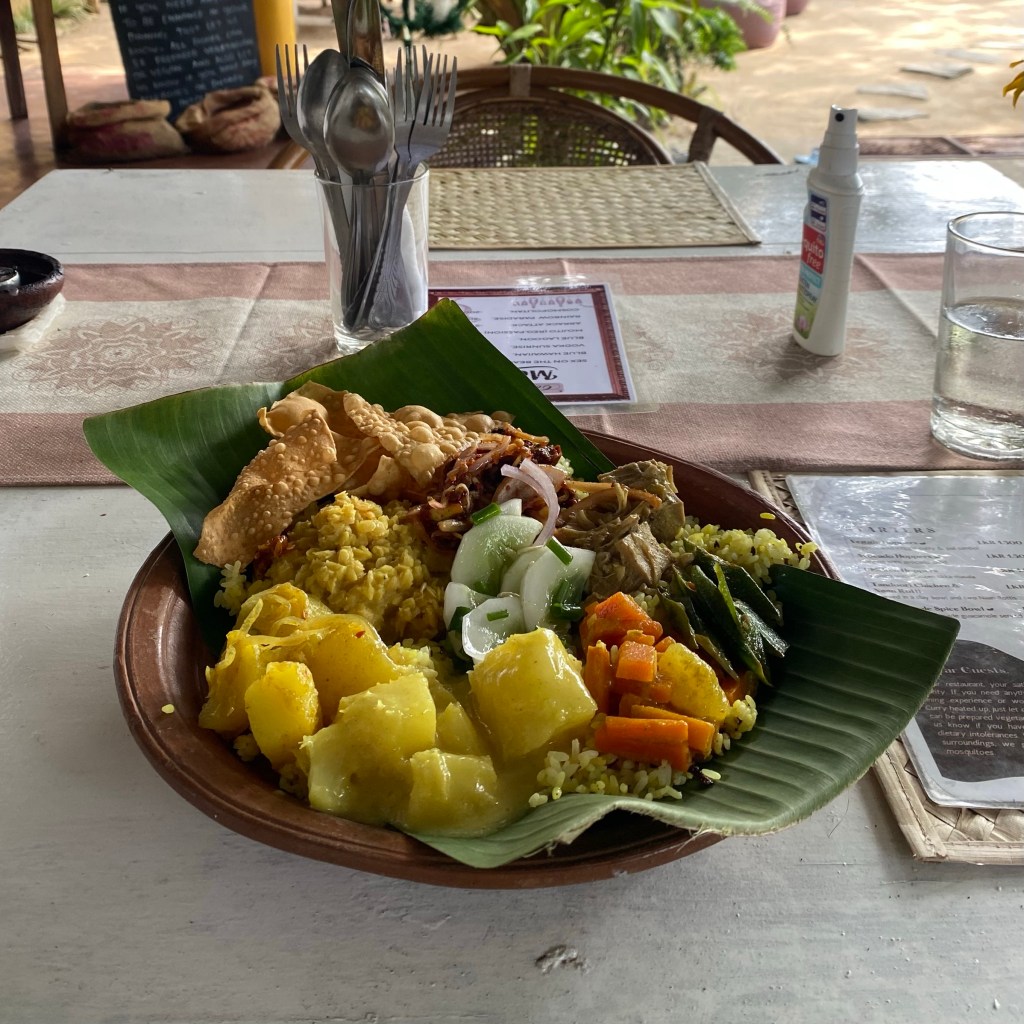
Compared with nearby India the traditional food options in Sri Lanka are much more limited. Rice & Curry is the one meal you’re bound to have over and over again, but thankfully it’s delicious and healthy. This meal always tends to be a little different, whether you’re out at a street-side restaurant, or eating in the comfort of your homestay. A Sri Lankan rice and curry includes several curried vegetables and fruits (plus possible meat) often served in separate bowls alongside a large bed of rice. Sometimes rice & curry was a bit too spicy for my liking (especially for breakfast) however you can sometimes request less spice. As for the tea, some might not know that Sri Lanka contributes 10% of the worlds tea production. The center of the country is full of tea estates and factories, they’re nice places to visit if you’re interested in tea production. Meanwhile, coffee culture is somewhat of a struggle in Sri Lanka …
3.) The Small Size
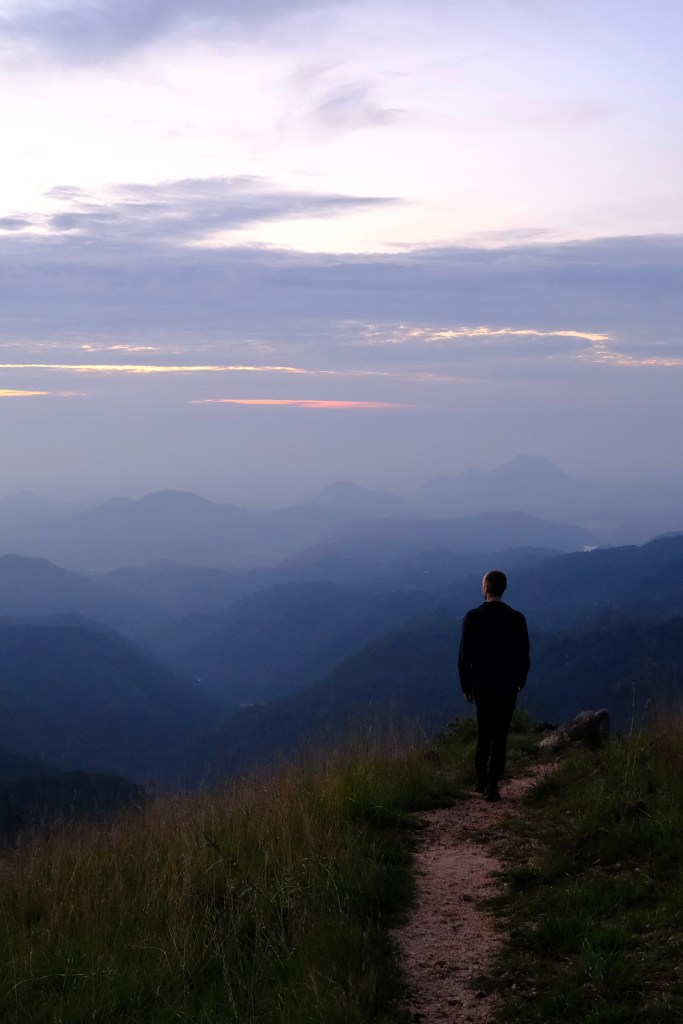
I remember being up in the Himalayas of India and feeling frustrated that I couldn’t quickly head to the beach for a change of scenery (a privileged concern, I know). Sri Lanka is a relatively small island, so it is completely possible to do just this. And unless you’re trying to get from the north to the south of the island in one day you’d probably never have a bus or train journey longer than six hours. On average my bus journeys were 2-3 hours long. Another perk to the small size of Sri Lanka is that it is very doable to enjoy a diverse, multi-stop trip in as little as a week. Most people I met were on two week holidays, and so with 3.5 weeks I felt that I had a luxurious amount of time on my hands.
Ella, Sri Lanka. November 2024
4.) The Quirky Bread-Selling Tuk-Tuks
Tuk-Tuk’s drive me insane (pun intended), but in Sri Lanka there are these funky Tuk-Tuks known as Choon Paans that scuttle through the streets in the morning and afternoon selling bread, all while making themselves known with a loud and pitchy rendition of Beethoven’s Für Elise (or sometimes the song It’s a Small World). As a professional musician I both delighted and cringed at the sound of the Choon Paan, which seemed like Sri Lanka’s answer to an Ice Cream Truck. It baffled me how the Für Elise was always in a slightly different tempo or key, while also missing random pitches. I always wanted to stop a Choon Paan in the road to take a look at the bakery offerings, but the idea of various fish-filled breads never sounded appealing.
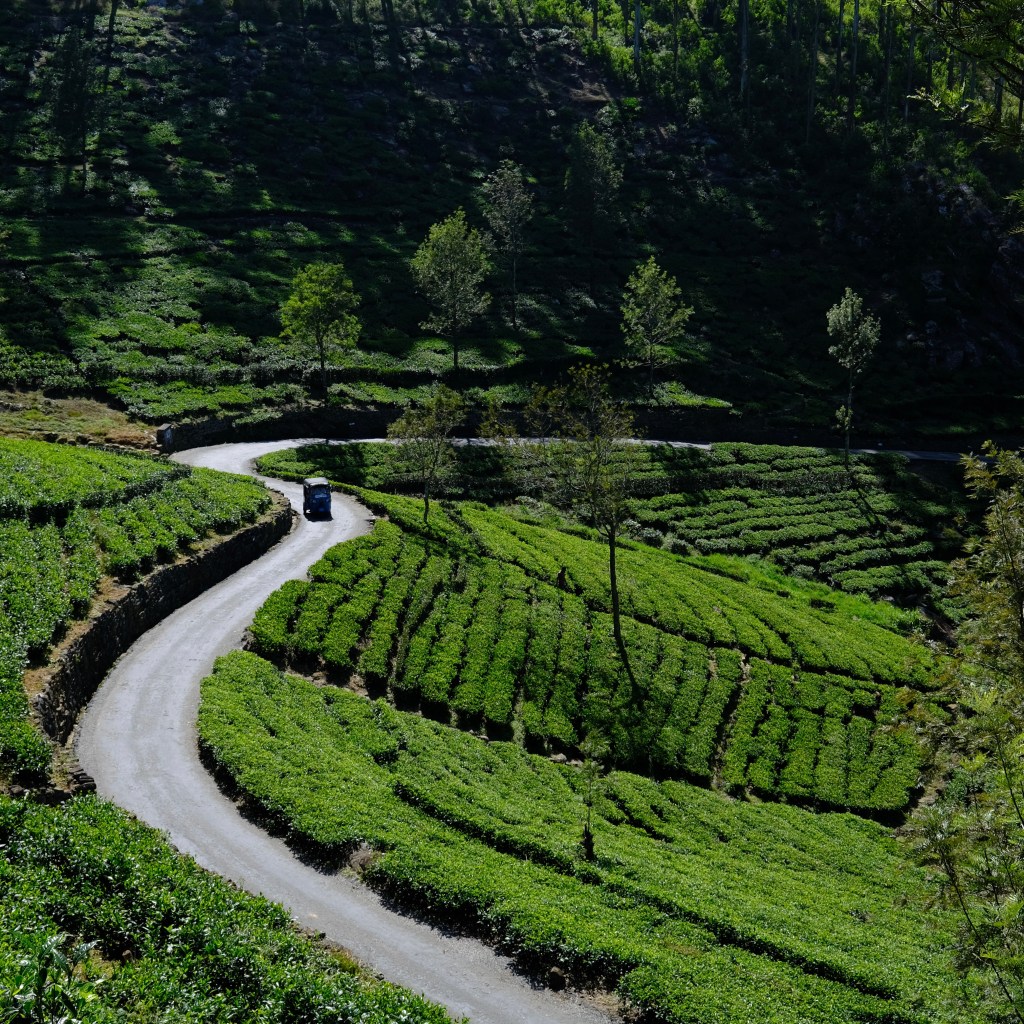
Dambetenna, Sri Lanka. December 2024
5.) The “Untouched” Beaches
When in India I had skipped the famous beach state of Goa partly because I’d heard that Sri Lanka’s beaches were more beautiful and cleaner. There’s actually quite a lot of buzz right now regarding Goa versus Sri Lanka, but I’m willing to bet the beaches are better down here. Not only was I able to find near-endless stretches of empty, palm-fringed beaches; but they were most often remarkably clean as well. I spent eight days at the end of my trip working my way along the southern coast, stopping in four different beach areas. Some were more touristy than others, but I never once dealt with anything close to a sardine-packed beach. The photo below is from one afternoon when I was cycling along the highway near the coast. I stopped to check out an unassuming pathway to the ocean, only to find there was a stunning multi-colored beach that was otherwise hidden from view.
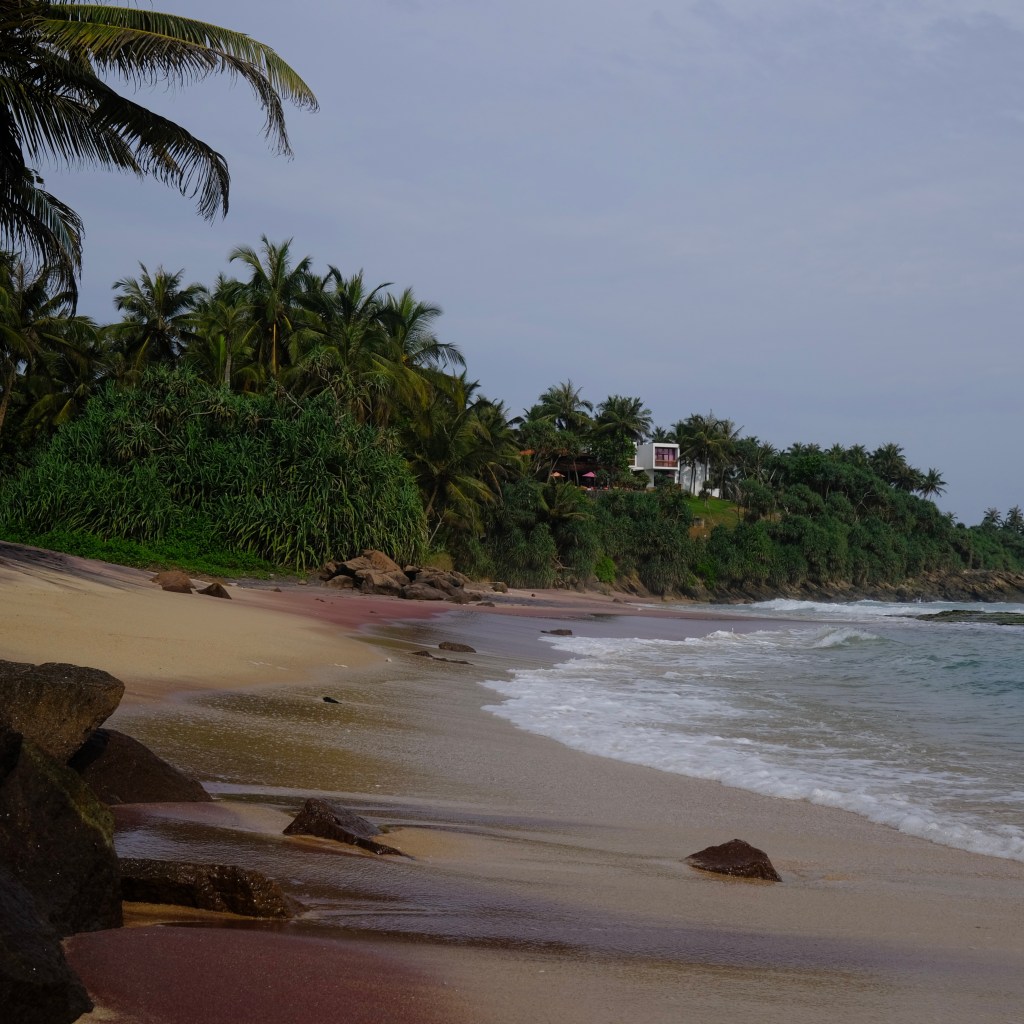
Southern Beaches Region, Sri Lanka. December 2024
CONS
1.) The Possibility of Terrible Weather
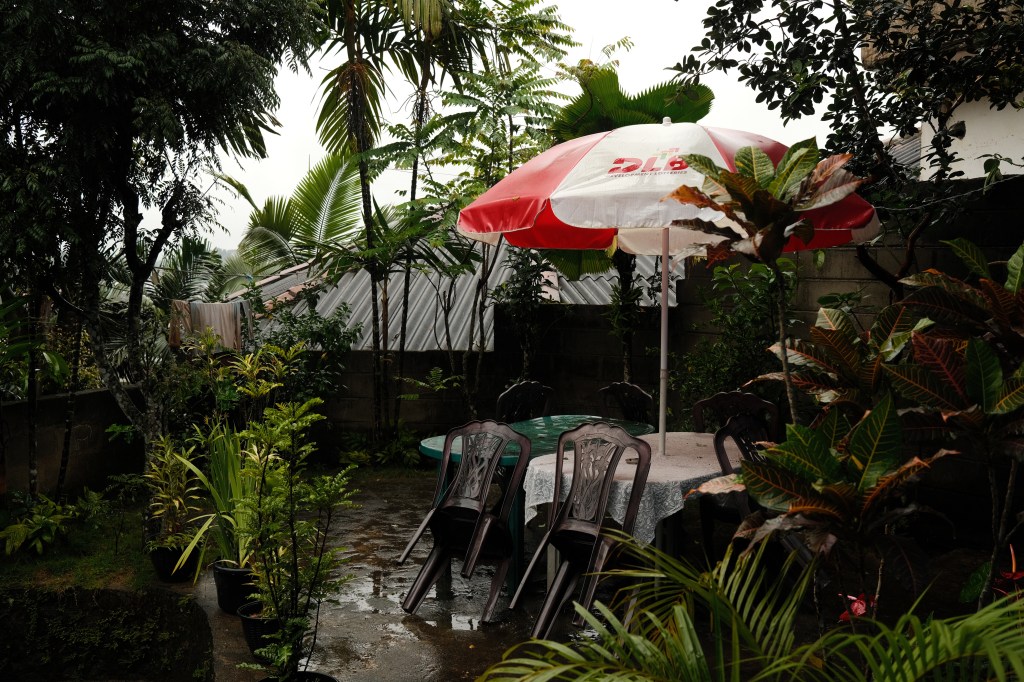
As my flight approached Colombo I marveled at the splotchy clouds dotted about in circular wads above the emerald green landscape – the sun illuminating rice fields and small lakes between. That day spent in the capital gave me the impression that I’d have great weather, but oh was I wrong. The rains began a couple days later while I was cycling through the dirt roads of Sigiriya, and they continued as I arrived to the city of Kandy. The weather system I speak of was called cyclone Fengal, and it impacted Sri Lanka for nearly a week. It wasn’t a vicious cyclone, but it was continual and very rainy. The two days I spent in the city of Nuwara Eliya were completely wasted, with little to do during the storm (there I’d also run out of clean laundry and couldn’t hope to get any of it hung outside). The storm also led me to cancel my visit to Adam’s Peak (not to be confused with Little Adam’s Peak in Ella), and there was also a situation that ultimately led me to miss the epic train ride to Ella. Eventually the storm did let up, but for a few days there was a residual haze that had been churned down from India. It wasn’t until halfway through my trip that I enjoyed some gorgeous weather. Before that I wasn’t sure that I liked Sri Lanka – but thankfully my days trekking the Pekoe trail turned my opinion right around.
2.) The Question of Environmental Sustainability
Sri Lanka is at a tipping point where it has to decide whether it wants to grow its tourism sector sustainably or turn into an environmental trash bin with strained roads like Bali. Most notably I thought the public buses and tuk-tuks were working in direct opposition to the pristine nature Sri Lanka is known for. I can’t even fathom how many times I had to quick take a deep breath before a bus blew by in the street, hoping to avoid breathing in the toxic black exhaust they release. While in India I had seen promising examples of fully electric buses, although there was no such thing in Sri Lanka. As tourist numbers increase I can’t help but fear this country is going to become too overcrowded and polluted, investing tourist dollars into more elaborate resorts and hotels instead of developing cleaner means of transit. To help offset the impact of tourism I encourage visitors to take advantage of the abundant guesthouses for locally-minded accommodation, to rent bicycles instead of motorcycles, and to bring a water purifying bottle such as a Grayl or LifeStraw.
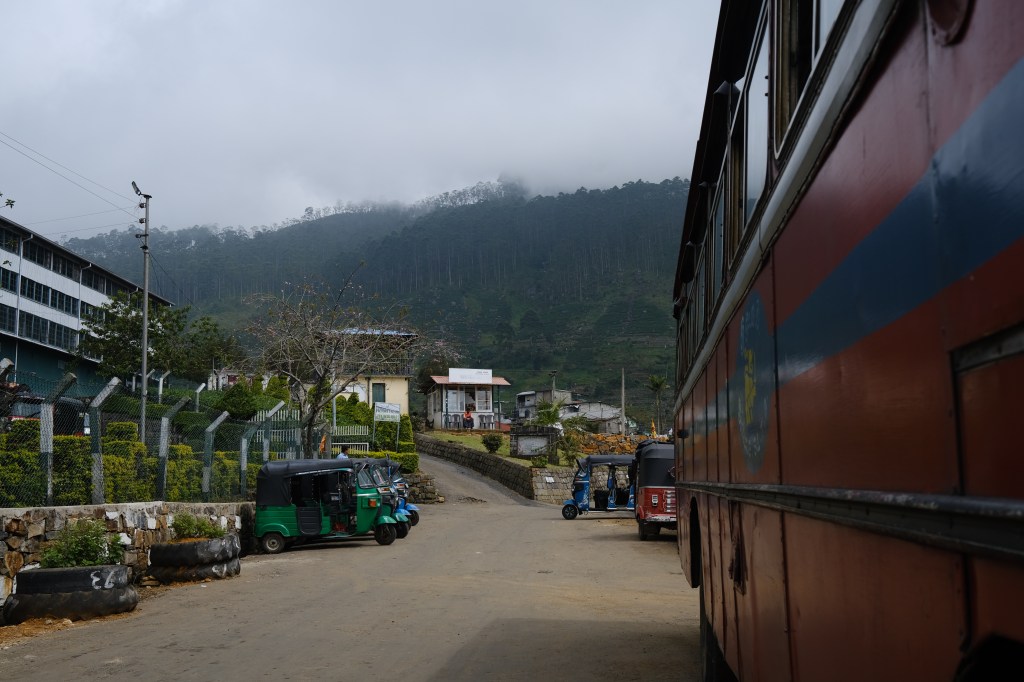
Dambetenna, Sri Lanka. December 2024
3.) The Bizarre Price Gauging at Cultural Sights
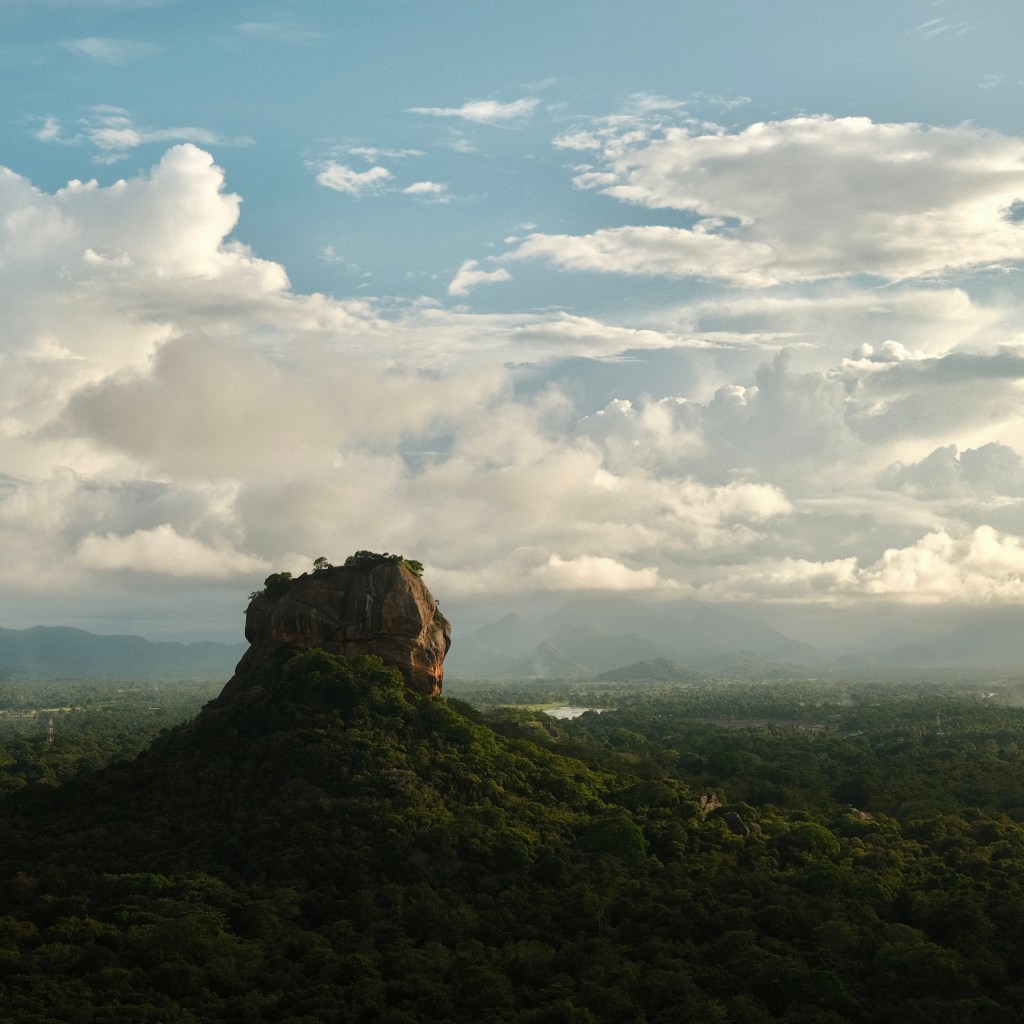
It’s completely normal in many Asian countries for foreign tourists to have to pay higher prices for admission to museums and other cultural sights, but Sri Lanka often takes this way overboard. In the ancient capital of Anuradhapura I was aghast at the $30-ish ticket price to visit many of the local temples, and then deciding that I’d rather just cycle through the backstreets of the city for distant temple views I was constantly asked to show a ticket (which I did not have). At one point a guard wouldn’t let me continue onto a nearby restaurant because it was apparently “inside” of the ticket zone. Bullshit, I thought. Then, in the village of Sigiriya there’s the atrociously expensive hike up to Lion’s Rock, also amounting to around $30. Most people here choose to hike the nearby Pidurangala mountain instead, this costs around $3.5 and has an amazing view of the Lion’s Rock. On another note, for those looking to take the trains through Sri Lanka I recommend buying your tickets in person at a station to avoid being heavily ripped off online.
Sigiriya, Sri Lanka. November 2024
4.) The “Human ATM” Effect
This one isn’t so specific to Sri Lanka as much as it is to the general developing world. The Human ATM Effect, as I like to call it, pertains to the phenomenon of being seen almost exclusively as a cash object by the local population, whether because you are white or otherwise western looking. I had experienced so much of this traveling in India that by the time I got to Sri Lanka I was constantly irritated by the endless solicitations for tuk-tuk rides, tours, and other services. I yearn for a bygone time in international travel and backpacking – a time where foreigners could move about without being seen exclusively for their comparative wealth. Hiking on the Pekoe trail I did go through villages that were otherwise closed off from tourism, there I felt less like an transactional object and more like a curiosity. I’ll never forget the moment a man refused to accept payment for bananas that I purchased at a roadside stall near the trail, something that wouldn’t happen in a tourist zone.
5.) The Outdated Laws on Homosexuality
Another point that won’t matter much to a lot of people, but – some may find it hard to believe that this tiny Buddhist country has still not done away with its British colonial laws banning homosexuality. Word is that Sri Lanka doesn’t actually enforce the law, but then why have it? When nearby countries like India, Nepal, Bhutan, and nearly every country in South East Asia have invited the queer community it makes Sri Lanka look questionably outdated. For me the current law was a deterrent against using “the apps” to connect with other gay travelers, and that was a shame. It also made answering the typical “are you married?” question from the locals even more annoying.
 thelaststandby