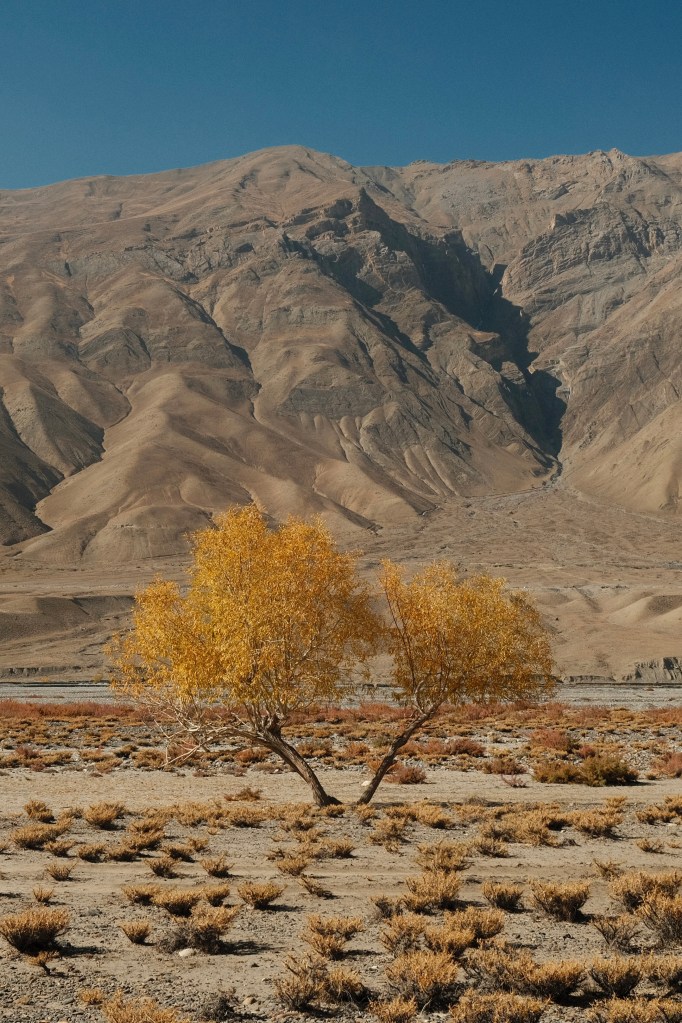
Spiti Valley, India. October 2024
I say this about most countries, but India is a place I’ve been wanting to visit for a long time. The hearty foods, the elaborately colorful fashion, the sheer breath of culture on offer … it all appeals to me. And to that point, if I came to India I needed to give it a proper go — at least two months. I also acknowledged that extensive travel in India would be very challenging, a “graduate school of backpacking” (as one blogger somewhere on the internet wrote). When this Autumn came and an expected gig was postponed I found myself with 5 months with nothing on the calendar. I thought, ok this is the time for India (plus a pit-stop in Sri Lanka, because it’s right there!)
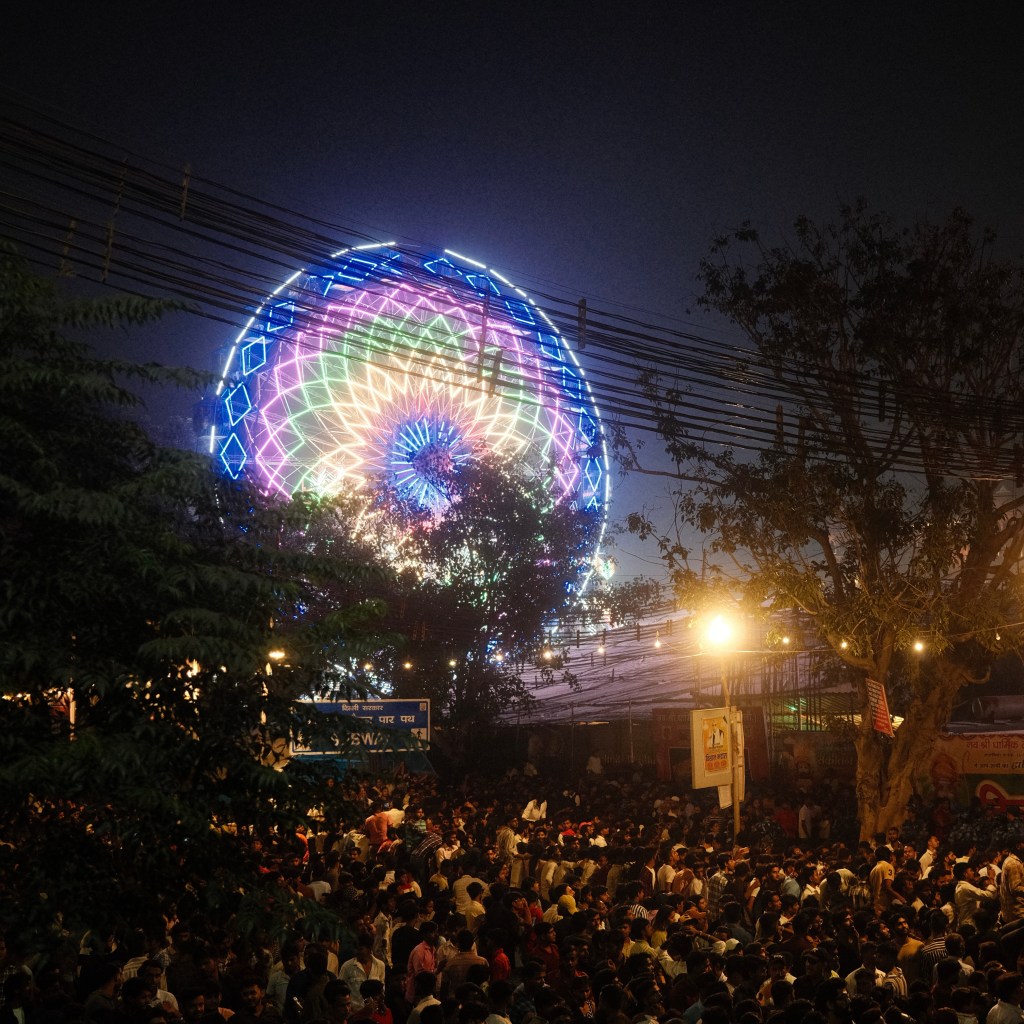
Delhi, India. October 2024
I spent all of September crafting a mock itinerary that would span nearly the whole length of the country from north to south. Come October my trip officially began in the capital city of Delhi. I only budgeted a single full day here, but I was able to visit a crowded festival at night with a group from my hostel. It was my first exposure to the overwhelming crowds of India (now the most populated country in the world). When I struggled to budge past people an English guy in my group yelled back to me — “just be rude!” As harsh as that sounds, the phrase quickly became a bit of a mantra for me. In India if I wanted something, or felt uncomfortable about someone’s behavior (which happened often) — I had to make it known and avoid being too polite.
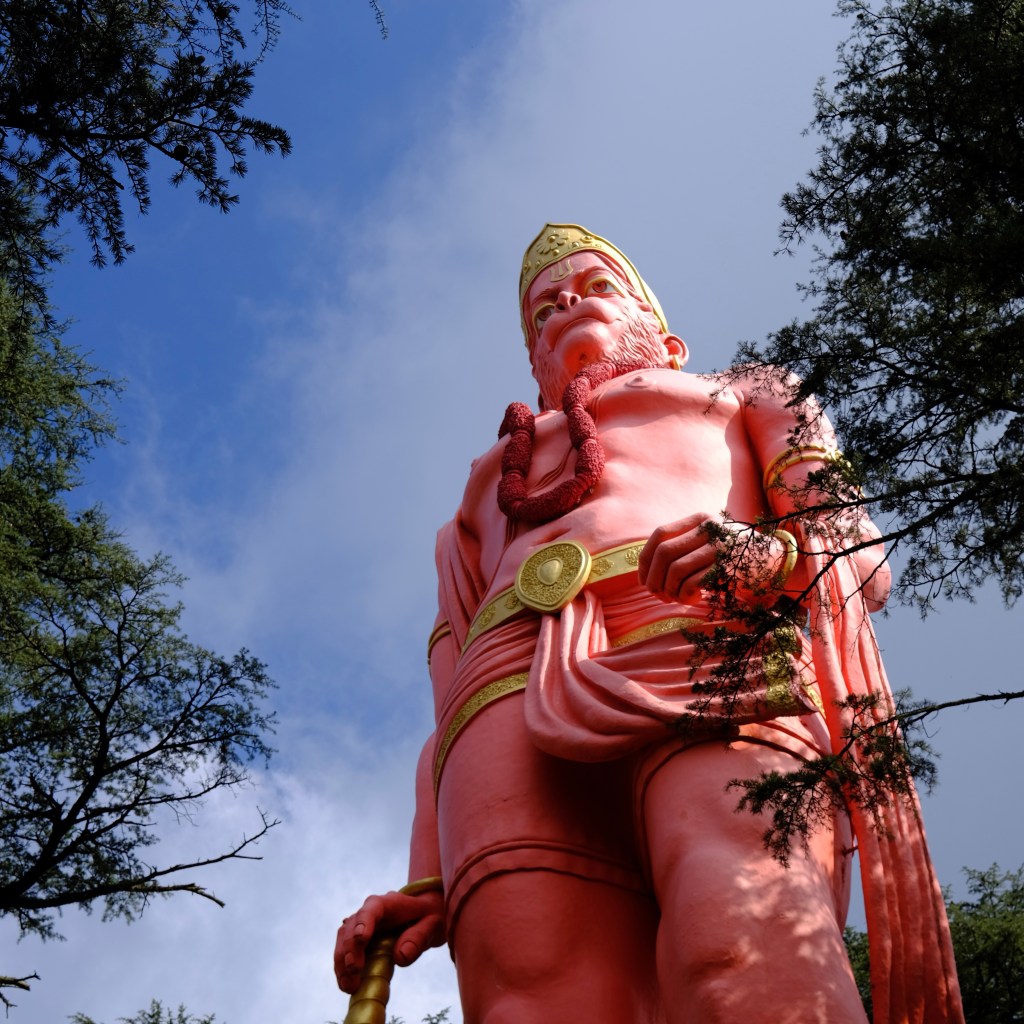
Shimla, India. October 2024
Though I was generally heading south I first had to go a short ways north, to the mountainous state of Himachal Pradesh — home to a good bit of the Himalayan range. As far as transport was concerned, this is the Indian state I look back at and say wow, I can’t believe I spent allll those days on buses. Most towns and regions within the state appear close on a map, but they most often require long and bumpy journeys that span 8-10 hours. My first stop was the city of Shimla, the capital of Himachal Pradesh and a former summer holiday location for the British elite during colonial times. A single full day here was sufficient — I wandered the heavily built up hillside, enjoyed my first bowl of Tibetan thupka, and took some time to rest off jet-lag. More picturesque stops awaited …
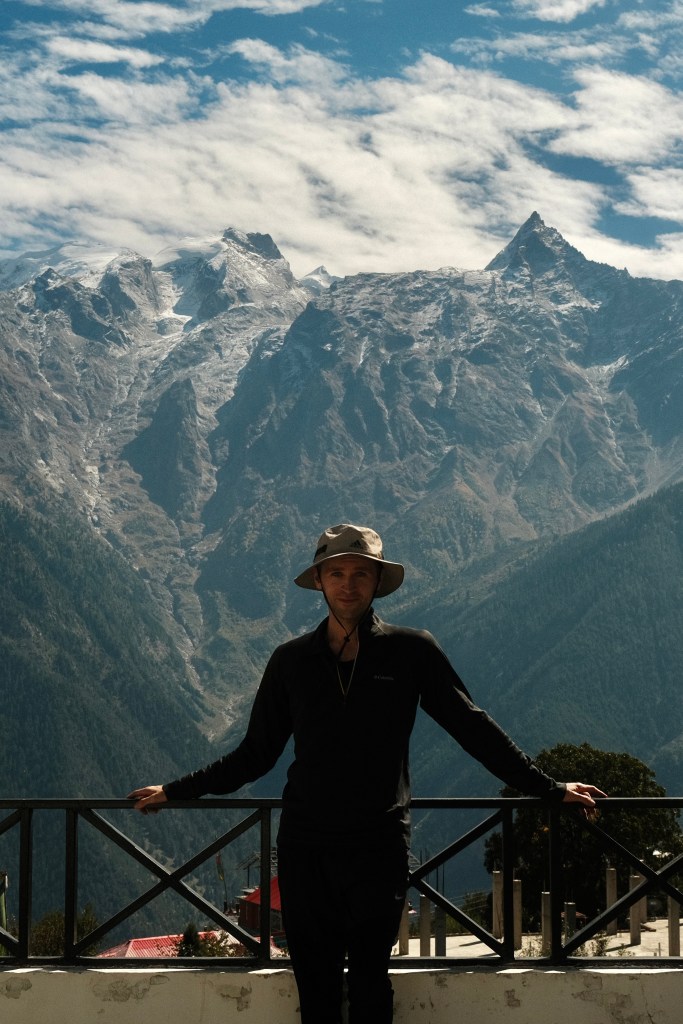
Kalpa, India. October 2024
The next long bus ride brought me to the town of Reckong Peo, where then a quick trip on a public bus (or in my case, a very daunting walk) took me uphill to the village of Kalpa. (Quick side note: I intended this trip to be more of a cultural immersion than a designated adventure — so I wasn’t embarking on any fancy organized treks, that’s for Nepal). Kalpa is the sort of place that has the scenery of a remote trek without requiring any of the formal trekking. Here I could simply walk to the rooftop of my hotel, or meander around the village to bask in the glorious sight of the Kinnaur Range (a sub region of the Himalayas).
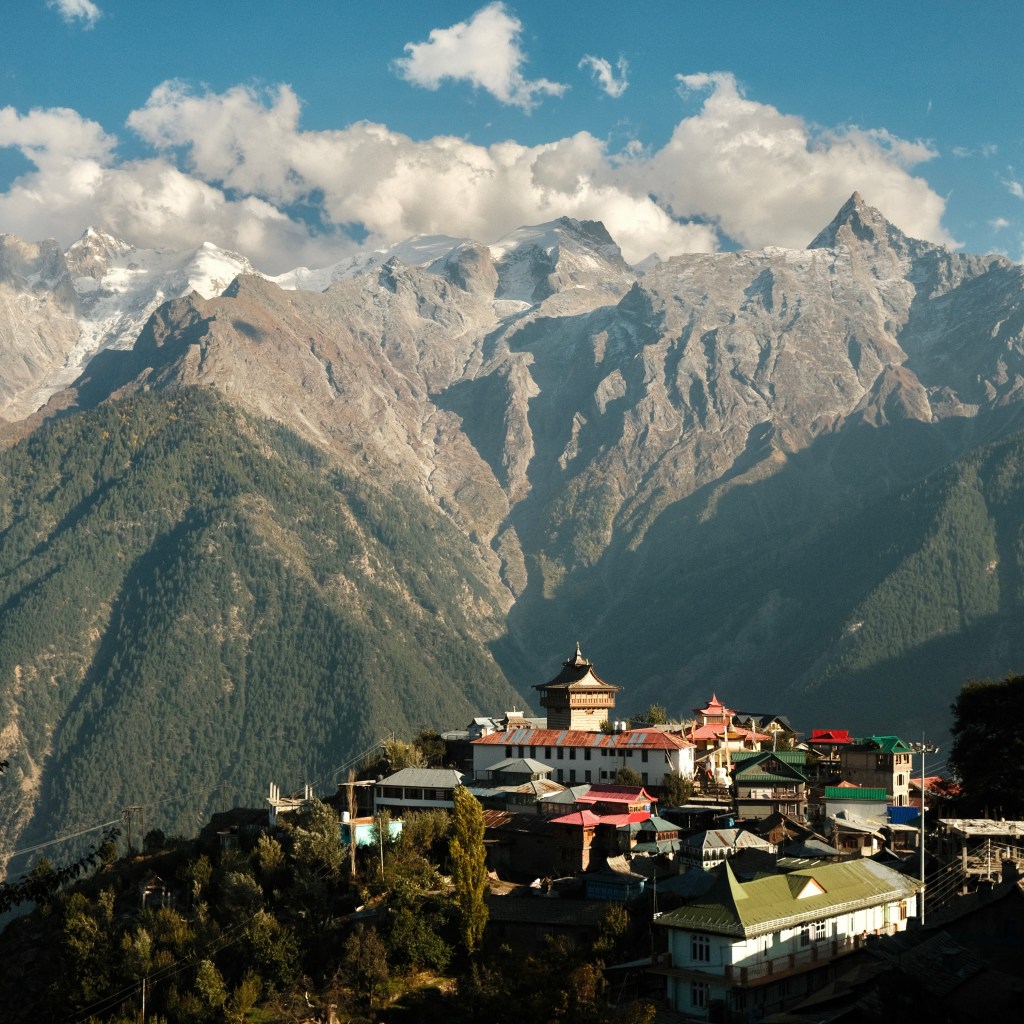
Kalpa, India. October 2024
Kalpa, like many other villages throughout this region, is full of apple trees. Workers were busy picking and boxing up apples all over town. As for activities, there really wasn’t a whole lot to do except to eat and stare in wonder at the mountains. On the evening of my one full day here I walked south along a very narrow winding road to a spot called Suicide Point. The sunset glow on the jagged cliff sides contrasted beautifully with the distant peaks, and traffic was minimal so I could comfortably walk without having to worry about vehicles. Roads such as this were the norm for a lot of my bus journeys. It was amazing how drivers managed to navigate oncoming traffic on such slender roads.
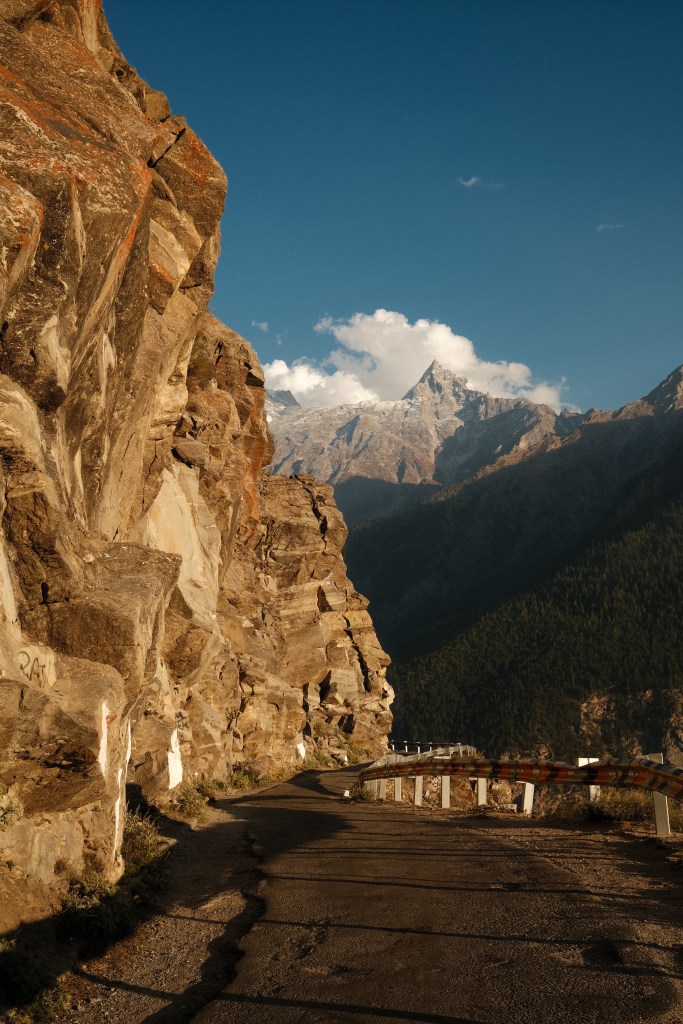
Kalpa, India. October 2024
Kalpa was my most scenic stop in Himachal Pradesh, but my next location in the Spiti Valley was more sublime. This remote region is often considered a substitute for the northernmost state of Ladakh. I chose to skip Ladakh partially because of the incoming winter weather and restrictions with road closures. Spiti’s main town of Kaza sits around 12,000 feet high — my body didn’t take well to the altitude gain and I spent nearly an entire day resting there.
A week or so into the trip I made an interesting social observation — the local Indian travelers were the majority of the people I’d met at hostels and guesthouses. This has never been the case in any other country I’ve been, and it served as a good (and bad) glimpse into the culture. I had a particularly challenging time with the young guys, who continuously made phone calls inside of hostel dorms, almost as if they had a register of names to contact each evening. One night in Spiti I was woken up at 10 pm by three guys, one of whom asked if I’d be okay with them smoking inside the dorm. Imagine my half-asleep yet taken aback response: “Why would you do that? That’s what the outside is for!”
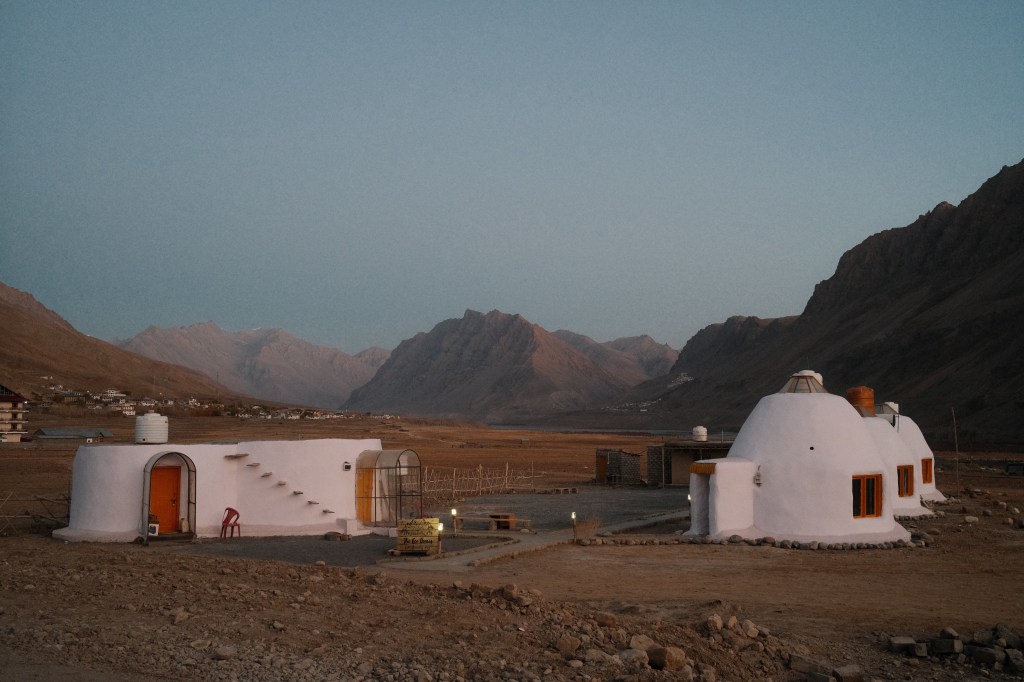
Kaza, India. October 2024
My accommodation here was a unique spot called the Eco Domes (a name that makes the smoking question even more disturbing). These were an unfortunately long walk outside of the central town of Kaza, but the surroundings were wonderfully expansive. Hitchhiking was easy to do, and on numerous occasions I had cars or motorcyclists pull over to offer me a ride. In a perfect world I would’ve appreciated having a personal vehicle to make my visit to Spiti more immersive.
One morning I woke up before sunrise and took a long walk to the distant Key Monastery, which sits majestically on a dramatic hillside. The site even has its own helipad, so you can imagine its importance in the Tibetan community. Walking gave me the leisure opportunity to photograph the scenic river valley en route. On the return I made a shortcut passing directly through the valley, jumping across streams and admiring Autumn colors on trees that had grown amidst the drying riverbed.
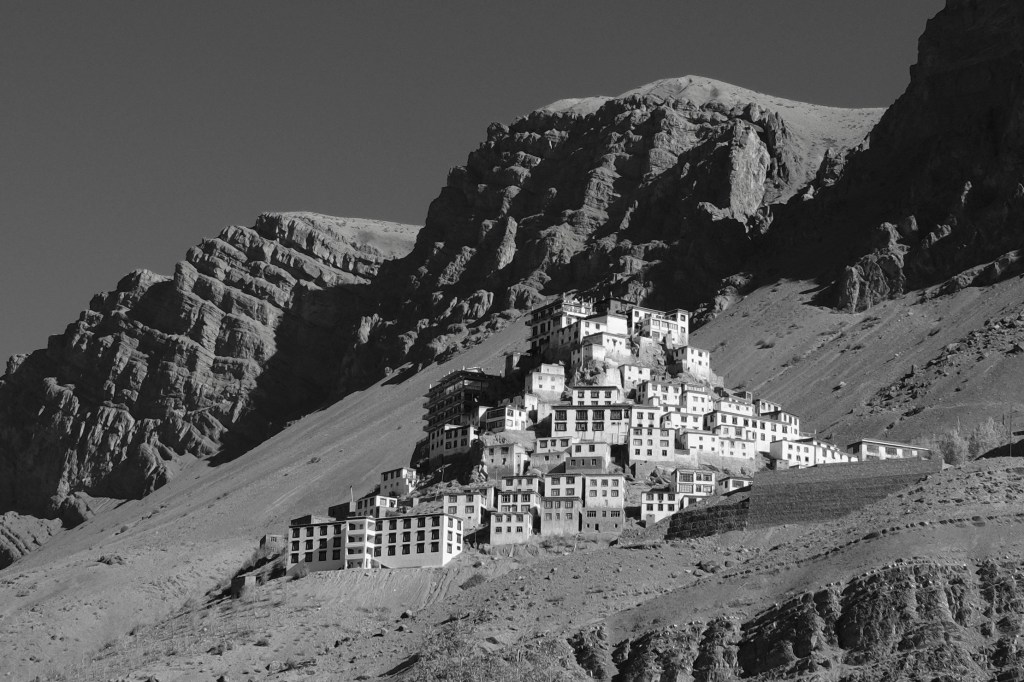
Key, India. October 2024
From Spiti I took a smaller and more expensive tourist van towards my next destination, the ever-growing holiday town of Manali. On the van I sat next to a 78 year old Coloradan woman named Susan. She ended up being a central presence for the rest of my time in Himachal, and we even decided to stay at the same guesthouse in Manali. Susan had been coming to northern India continuously over the last 20 years, and I really appreciated her wisdom. This was Susan’s first time to India since Covid, and even she noticed that there was a dramatic increase in the number of domestic Indian tourists, alluding to a burgeoning middle class that hadn’t quite existed before.
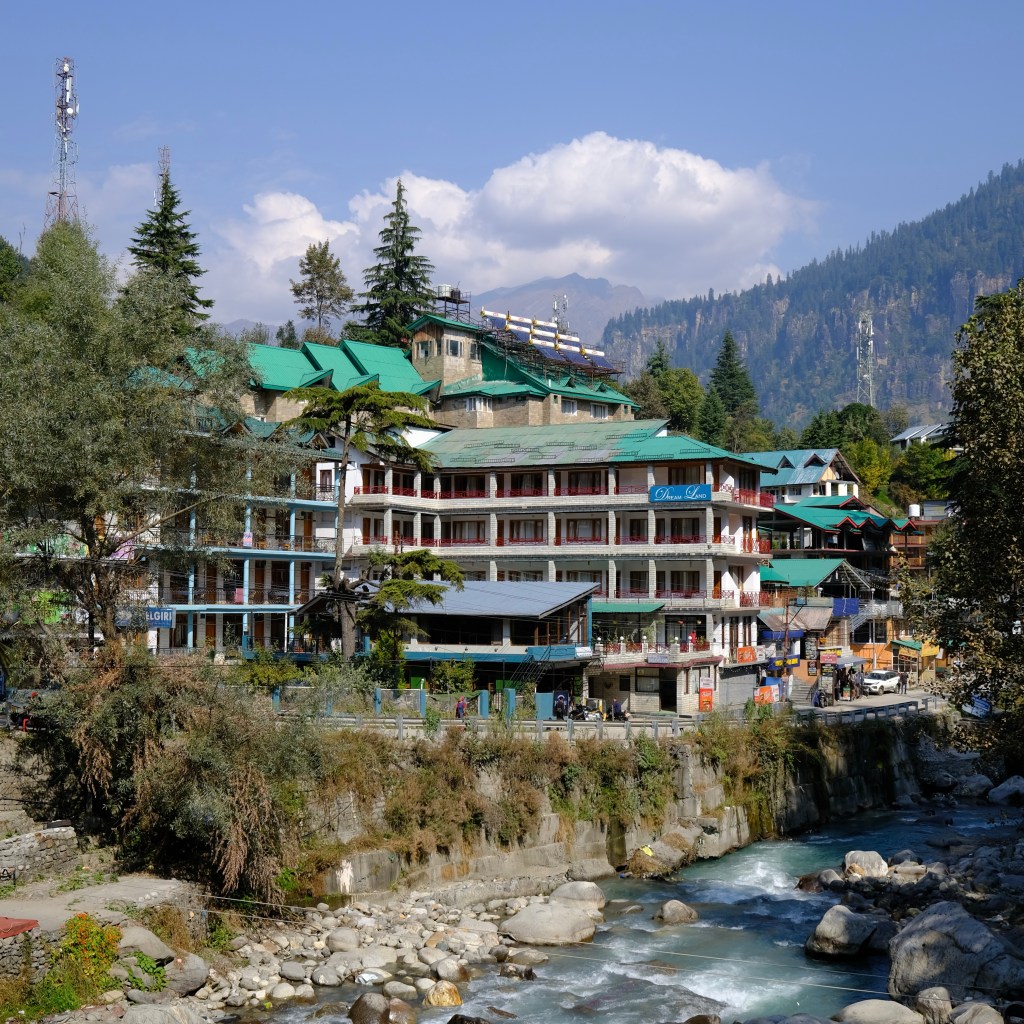
Old Manali, India. October 2024
Figuratively speaking, Manali was a breath of fresh air — it was full of development, shops, restaurants, cafes … all the things I hadn’t had in nearly a week. At the same time the entire Manali valley was incredibly hazy from the burning of rice fields, something farmers have apparently refused to adopt modern methods for.
Susan and I spent five nights in Manali. We had a regular breakfast spot where we dined on simple bread omelettes and chai, meanwhile for lunches Susan introduced me to Thali (a delicious platter of veg/meat/rice/curry/roti). At night we’d sit out on the balcony of our guesthouse sharing a bottle of cider and recounting our collective mass of travel stories. We were two different types of travelers — she’s loved returning again and again to India, whereas I’ve preferred to continuously visit new countries. Socially speaking, ours was a rewarding but also exhausting pairing.
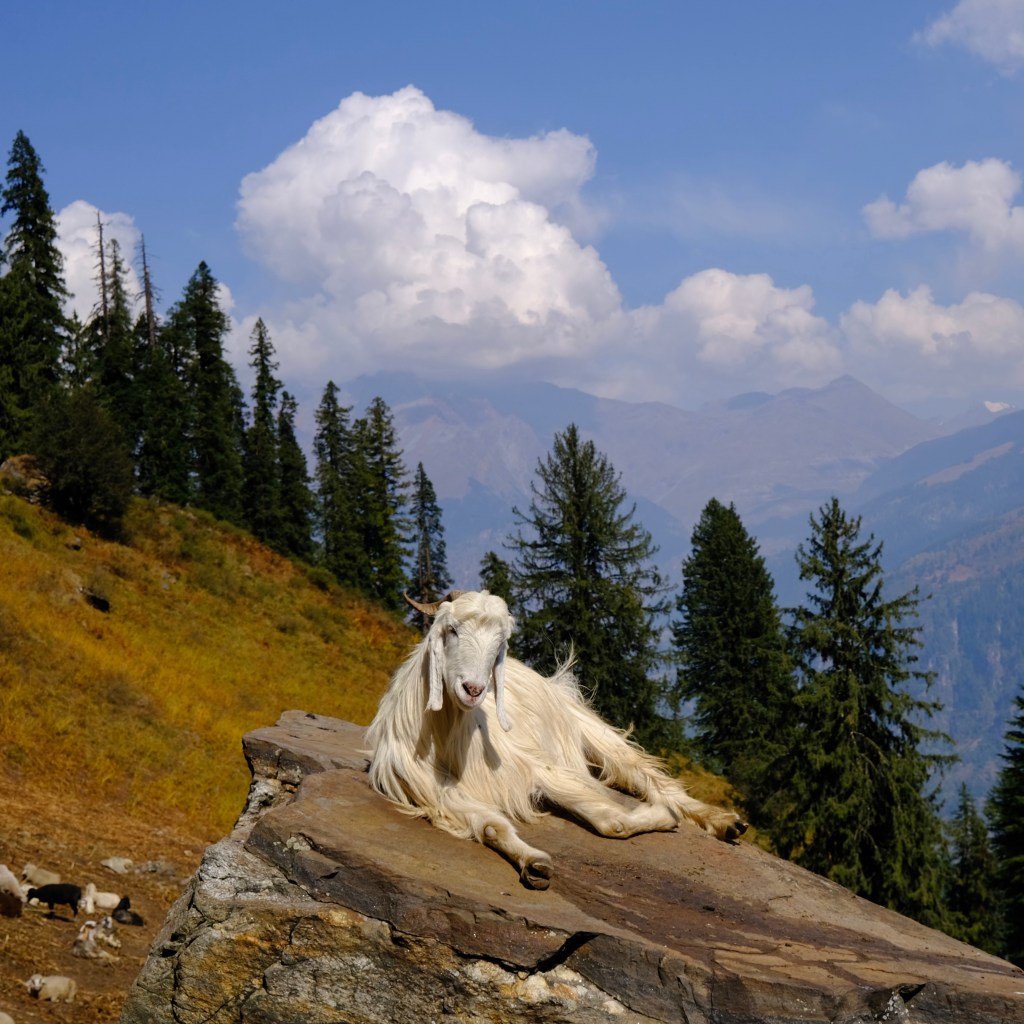
Lamadugh Trek – Manali, India. October 2024
My final stop in Himachal Pradesh was another 8 hours to the east, the hillside city of Dharamshala (home to the Dalai Lama and the Tibetan government in exile). Susan and I took the same bus, but we otherwise parted ways upon arrival. We did stay in contact, and we had a chance to catch up for lunch after a couple days.
Dharamshala has four different sections all grouped into the same city, each slightly higher up the undulating hillside — there’s busy Dharamshala proper, then McLeod Ganj (where much of the Tibetan community is based). Above that is the hotel-filled Bhangsu, I found this was a good central base. Finally above that was Dharamkot, which was quieter and full of yoga centers and cafes catering to the western travelers to who flock to this part of town.
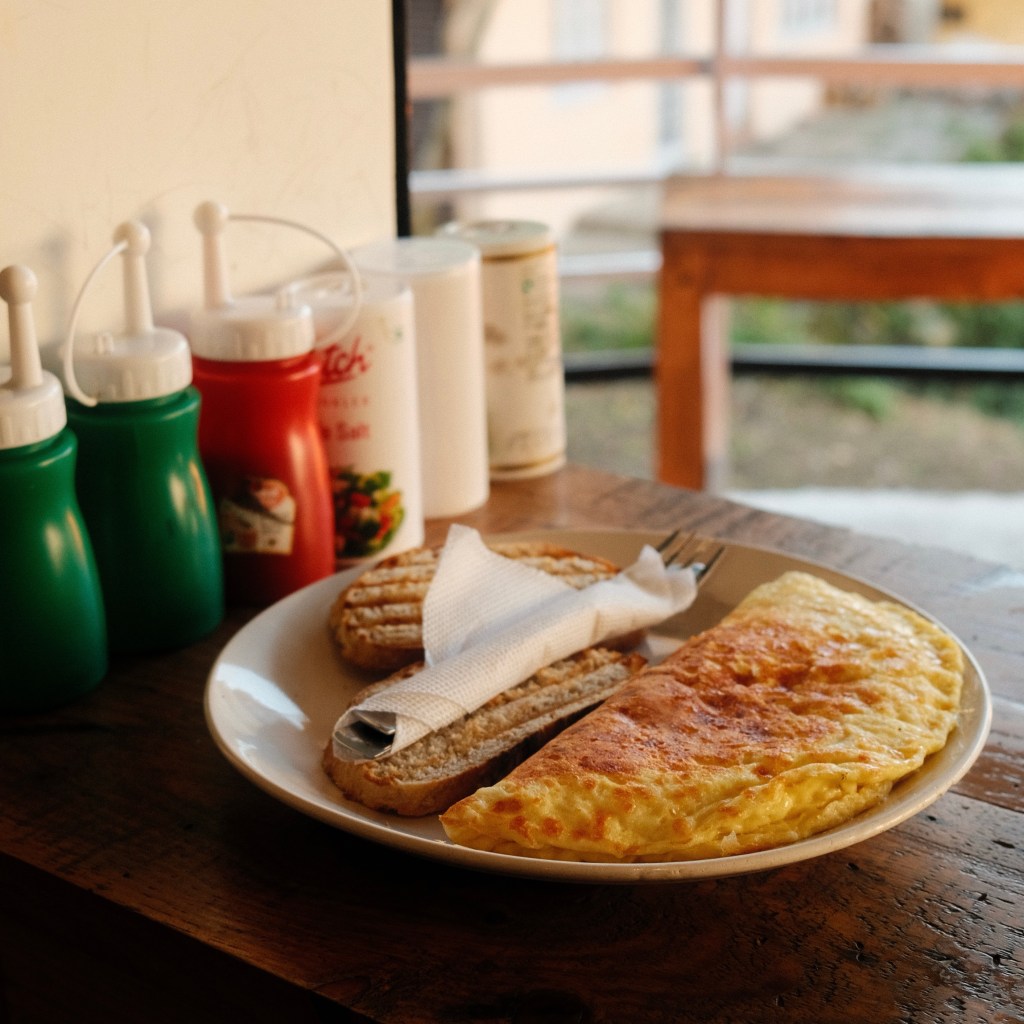
Like with Manali, I stayed in the Dharamshala area for five days. I found the often steep terrain between parts of town to be tedious, but this was a great area to otherwise relax and cafe hop. My mornings were spent at a cute place called Open Heart Cafe — their gigantic cheese omelettes had a distinctive texture that brought to mind Georgia’s delicious Khachapuri. Much of Himachal lacked proper coffee shops, but Dharamshala was crawling with great spots to get a caffeine fix. On my fourth day I woke at 5:30 AM to tackle Triund, Dharamshala’s most popular trek. A mountain dog followed me the whole way up, and there I admired the views of the distant Moon Peak. Another notable site in town was the Tibetan museum, which I found incredibly informative.
While in Dharamshala I began to ponder the reasons why Western travelers come to India. I had met people escaping the politics of their home countries, as well as those avoiding stalled career prospects and difficulties finding first jobs out of school. It got me thinking — what am I running from? Professional orchestra auditions still haven’t yielded a full-time job for me, but I am also warming to the idea of continuing on my freelance path. I do feel like I’m in India solely to explore the culture, and that this is no Eat, Pray, Love moment for me. But I also think the motivation to travel is deeper than that. India is not the easiest place to get used to, and so those who brave this country must have more personal reasons for coming. I’ll be curious to continue with this thought train as I move into the desert state of Rajasthan.
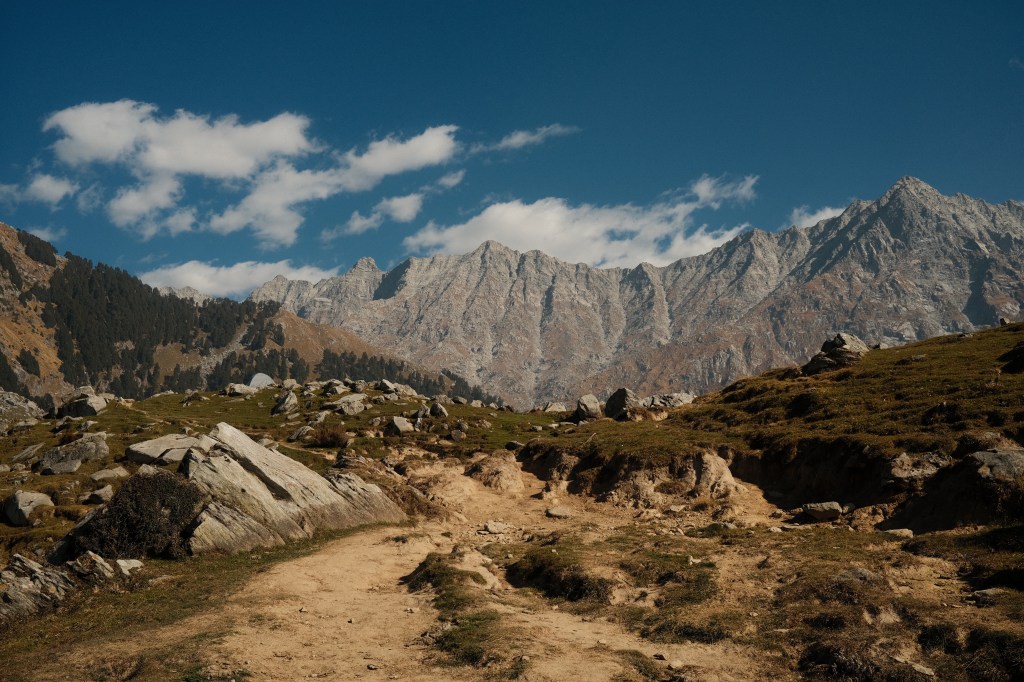
Dharamshala, India. October 2024
Next post: The Culture Shock of Rajasthan
 thelaststandby